Most visitors know Komodo for its dragons, Pink Beach, manta rays and the climb above Padar Island. But the archipelago changes once the fast boats turn back toward Labuan Bajo. A Komodo liveaboard lets you remain among the islands after the busiest hours, waking closer to the next stop instead of restarting from town. That extra time creates a different rhythm: quieter anchorages, sunsets at sea, early-morning hikes and access to places difficult to fit into a single day.
Why Does Komodo Feel Different After the Day-Trippers Leave?
Komodo National Park covers 219,322 hectares and includes the major islands of Komodo, Rinca and Padar, plus numerous smaller volcanic islands. UNESCO inscribed the park as a World Heritage Site in 1991 for its dramatic landscapes and exceptional terrestrial and marine ecosystems.
That scale matters. Staying aboard changes how the park is experienced because travellers do not return to port after every day of exploration. Hello Flores notes that multi-day cruises can extend from a few days to a week, leaving more time for islands, reefs and trekking areas.
For someone comparing a Labuan Bajo trip with a hotel-based stay, the difference becomes clearest after sunset. The boat is already positioned for the next stage, so evening becomes part of the journey rather than the end of it.
Sunset Becomes an Experience, Not a Deadline
On a day trip, sunset can signal the return toward Labuan Bajo. Overnight cruising removes that deadline. Depending on the route, guests can spend late afternoon on deck, watch the hills change colour or remain near Kalong, where flying foxes emerge around dusk.
This is one reason a Komodo cruise can feel less rushed than a checklist-style Komodo boat tour. Instead of squeezing each stop between departure and return times, the evening becomes part of the experience.
Travellers considering an open trip Labuan Bajo may enjoy the social atmosphere of sharing several days at sea, while a private yacht Labuan Bajo option can give families or groups greater control over timing and privacy.
What Happens While You Sleep?
The practical advantage of sleeping aboard is positioning. Depending on weather, currents, regulations and the captain’s plan, a vessel can remain within the archipelago overnight so guests begin the following day closer to the next experience.
Hello Flores notes that day trips can miss the Padar sunrise and remote dive sites that become easier to reach when a vessel anchors overnight. A Komodo liveaboard can therefore turn hours normally spent travelling from town into useful expedition time.
For travellers interested in diving Komodo, this can create more flexibility around underwater activities and conditions. For those focused on Komodo snorkeling, staying within the archipelago creates more room in the itinerary for time in the water instead of repeatedly travelling back to town.
Why Are Early Mornings One of the Best Parts?
Luxury in Komodo is not only about cabins, dining or onboard facilities. Sometimes it is simply having more time.
Waking before sunrise gives travellers the chance to watch the silhouettes of the savannah hills appear in softer morning light and begin exploring before the busiest hours of the day.
This makes an interesting difference for travellers comparing a Labuan Bajo Tour with a multi-day liveaboard Labuan Bajo experience. Both can include famous landmarks, but staying aboard allows dawn itself to become part of the itinerary.
It can also change the pace of Komodo National Park snorkeling. Rather than treating each reef as another attraction to cross off a list, a multi-day schedule can leave more time for swimming, relaxing and moving according to conditions.
Is Komodo More Than Dragons, Padar and Pink Beach?
Absolutely. UNESCO describes Komodo National Park as a landscape of rugged savannah, sandy beaches, coral-rich waters and an irregular coastline shaped by bays, beaches, inlets and headlands. Its strong marine currents also support exceptionally diverse marine ecosystems.
A longer sailing route therefore does not need to revolve entirely around the three attractions that appear on most visitor checklists.
Smaller islands, quiet anchorages, underwater sites and simple moments on deck can become just as memorable as the famous landmarks.
This is where the experience differs from choosing a Labuan Bajo tour package purely according to how many attractions are included. A thoughtful itinerary considers when to visit as much as where to visit: when to hike, when to snorkel, when to cruise and when to simply stay still.
Is Overnight Sailing Better Than a Day Trip?
Not automatically.
A day trip can work well for travellers with limited time who mainly want to experience Komodo’s signature highlights. A multi-day journey is better suited to people who value slower pacing, sunrise and sunset moments, more remote locations and the feeling of actually living within the landscape.
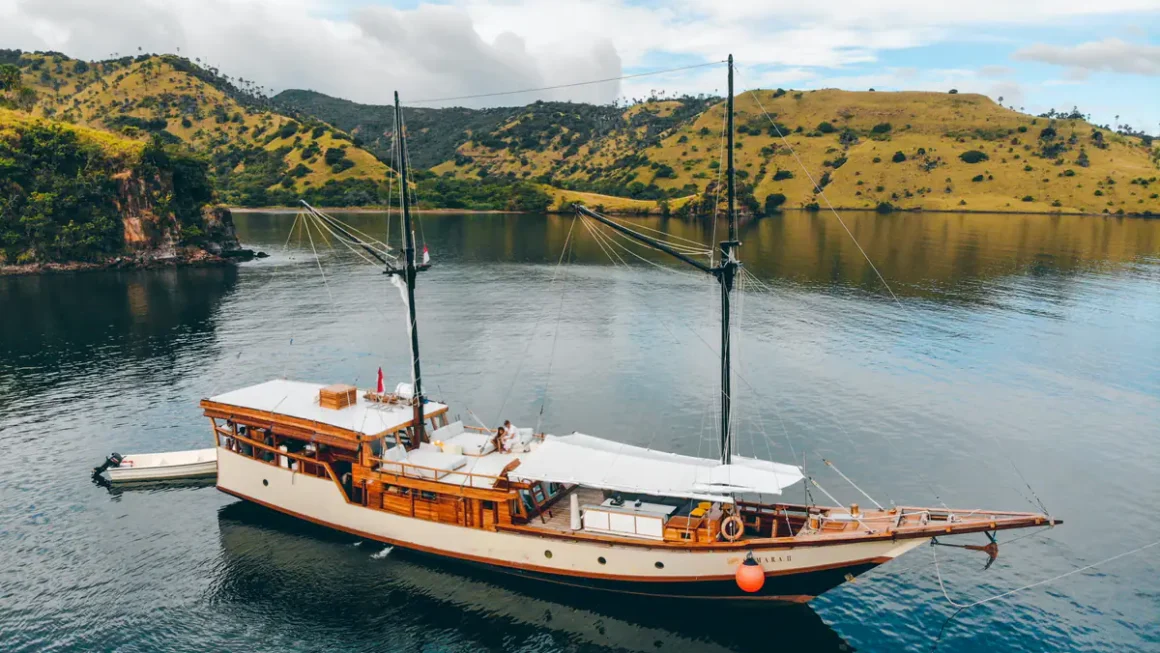
On a Komodo liveaboard, the vessel becomes more than transportation. It becomes your accommodation, dining space, observation deck and base for daily adventures.
That continuity is important. Instead of returning to Labuan Bajo each evening, the journey simply continues.
How Many Days Should You Spend in Komodo?
Hello Flores recommends allowing roughly three days to a week for a fuller sailing experience and notes that around two to three days can cover much of the national park.
The right duration ultimately depends on your priorities, vessel choice, weather and sea conditions, and how much time you want for trekking, wildlife encounters, swimming or diving.
A shorter route can suit travellers focused on the major landmarks. Adding additional nights creates more breathing room for early starts, water activities and evenings at anchor.
What Happens in Komodo When the Schedule Stops?
Perhaps the greatest advantage of staying overnight is not necessarily seeing more places. It is experiencing familiar places at completely different times.
After the day-trippers leave, there is less pressure to race toward the next attraction. Dinner can happen as the coastline disappears into darkness. The following morning can begin with first light breaking over the islands.
These are small moments, but they change the character of the journey.
Choosing a Komodo liveaboard is ultimately about giving the archipelago enough time to reveal more than its daytime highlights. Explore Hello Flores’ sailing options and create a journey built not only around where you go, but around the moments that become possible when you stay on the water.