Flores Island’s Tribal Heritage: Manggarai, Ngada & Sikka Cultures offers one of Indonesia’s richest and most authentic cultural experiences. While many travelers visit nearby Komodo Island for its dragons and marine life, the heart of Flores lies in its highland villages, ancient rituals, and enduring traditions. Exploring Flores Island’s Tribal Heritage: Manggarai, Ngada & Sikka Cultures reveals a world where ancestral beliefs, architecture, and community life remain deeply woven into daily existence.
Manggarai: The Land of Spider-Web Rice Fields
In western Flores, the Manggarai people are known for their unique agricultural landscape and strong clan-based social structure. Perhaps the most iconic symbol of Flores Island’s Tribal Heritage: Manggarai, Ngada & Sikka Cultures is the spider-web rice field pattern, locally called lingko. Viewed from above, these circular rice fields radiate outward like a giant web, representing communal land distribution among families.

Manggarai villages traditionally centre around a compang, a stone altar used for rituals and offerings to ancestors. Their traditional houses, known as mbaru niang, feature conical roofs and reflect a cosmological worldview connecting humans, nature, and the spiritual realm.
Ritual ceremonies remain an essential part of Manggarai life. One of the most dramatic is the Caci whip-fighting performance, once used to resolve conflicts and now performed during festivals. These performances symbolize bravery, honor, and gratitude for harvest blessings.
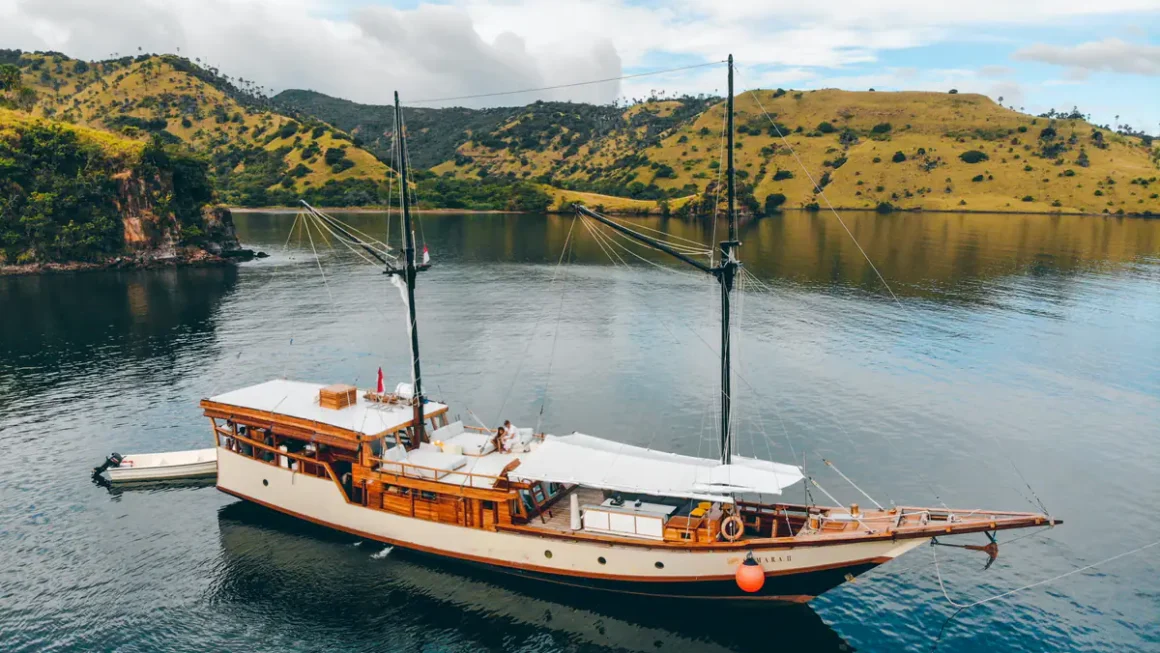
Many travelers combine cultural exploration with adventure, often starting from Labuan Bajo after a Komodo tour before heading inland to experience Manggarai traditions firsthand.
Ngada: Megalithic Traditions and Ancestral Villages
Moving eastward into the highlands of Bajawa, the Ngada people preserve some of Indonesia’s most visually striking traditional villages. Stone monuments and ancestral shrines dominate village centres, forming part of Flores Island’s Tribal Heritage: Manggarai, Ngada & Sikka Cultures that have endured for centuries.
Villages such as Bena and Luba are arranged in linear formations, with towering thatched houses facing ceremonial courtyards. In the centre stand ngadhu (male ancestral shrines) and bhaga (female ancestral houses), symbolising lineage and gender balance within the community.

The Ngada society is deeply connected to ancestral worship. Ritual sacrifices, weaving traditions, and agricultural ceremonies maintain harmony between the living and their forebears. The surrounding volcanic landscape, including Mount Inerie, adds dramatic beauty to these cultural sites.
Unlike more commercial destinations, Ngada villages offer an intimate and respectful encounter with living tradition. Visitors who venture beyond a typical Komodo liveaboard experience discover a quieter, more profound dimension of Flores.
Sikka: Coastal Influence and Catholic Heritage
On the eastern coast of Flores lies Sikka Regency, where history reflects a blend of indigenous tradition and Portuguese influence. As part of Flores Island’s Tribal Heritage: Manggarai, Ngada & Sikka Cultures, the Sikka people demonstrate how local identity can adapt while preserving core values.
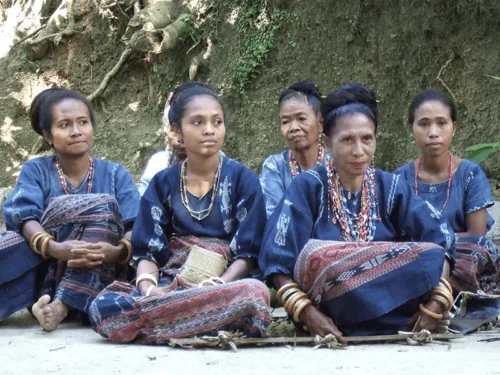
Sikka is particularly famous for its intricate ikat weaving. Each textile carries symbolic meaning, often representing status, spirituality, and family lineage. The weaving process itself is sacred, involving natural dyes and patterns passed down through generations.
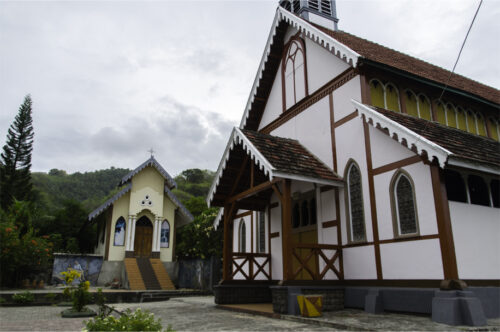
Unlike the Manggarai and Ngada communities that emphasise animist traditions, Sikka has a strong Catholic presence dating back to the 16th century. Churches stand alongside traditional houses, illustrating how faith and indigenous belief systems coexist.
Travelers exploring eastern Flores often combine cultural immersion with scenic coastal drives, sometimes organized through a dedicated Flores tour that connects Maumere to remote villages and hidden beaches.
Preserving Identity in a Changing World
Tourism is slowly increasing in Flores, especially due to its proximity to Komodo Island. However, much of the island remains untouched by mass development. Communities continue farming, weaving, and performing rituals as they have for generations.
Responsible travel plays a crucial role in sustaining Flores Island’s Tribal Heritage: Manggarai, Ngada & Sikka Cultures. Visitors are encouraged to engage respectfully, seek local guides, and support community-based tourism initiatives.
Unlike destinations driven purely by natural attractions, Flores offers layered cultural depth. It invites travellers to slow down, listen to ancestral stories, and witness traditions that have survived colonialism, modernisation, and globalisation.
Beyond the Dragons
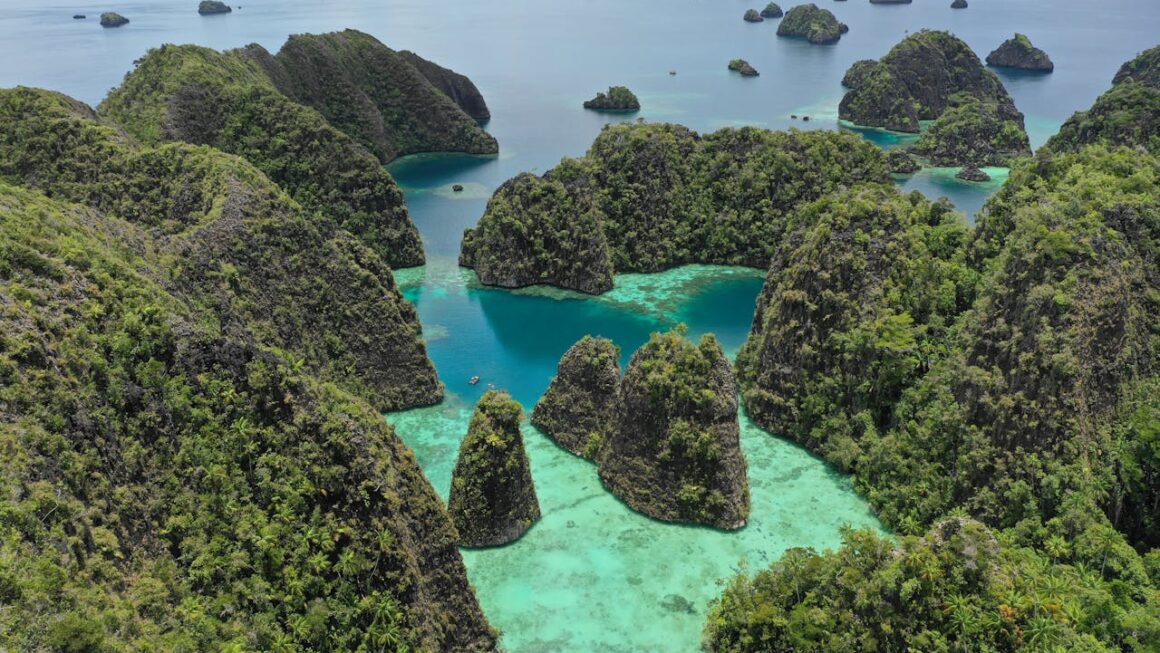
While Komodo Island often headlines Indonesian travel itineraries, Flores provides context and cultural richness that transforms a journey into something more meaningful. From spider-web rice fields to megalithic villages and sacred weaving traditions, the island tells a story far older than tourism itself.
Exploring Flores Island’s Tribal Heritage: Manggarai, Ngada & Sikka Cultures reveals not only different communities but also different ways of understanding land, ancestry, and identity. For those willing to look beyond the surface, Flores is not simply a gateway to marine adventures it is a living museum of human resilience and tradition.
And in that deeper exploration lies the true spirit of Flores.