Indonesia is a diver’s paradise, offering some of the most diverse and spectacular underwater environments in the world. With over 17,000 islands spread across the Coral Triangle, the country is home to destinations that suit every type of diver from beginners seeking calm waters to experts chasing adrenaline-pumping currents. Among the many world-class dive spots, Lembeh Strait and Raja Ampat consistently stand out.
Both destinations have achieved legendary status, but for very different reasons. Lembeh is celebrated for its muck diving and rare macro life, while Raja Ampat is hailed as the crown jewel of coral reef ecosystems. If you’re trying to decide which Indonesian diving paradise to explore, this guide will help you compare the two and find the destination that matches your style.
Quick Overview of the Two Destinations
Although both destinations are located in Indonesia, they couldn’t be more different in terms of atmosphere and underwater experiences.
- Lembeh Strait, located in North Sulawesi near the city of Manado, is renowned as the “Muck Diving Capital of the World.” It’s a narrow stretch of water filled with sandy slopes and volcanic sediment, hiding an astonishing collection of rare and bizarre critters that attract macro photographers from around the globe.
- Raja Ampat, in contrast, lies in remote West Papua and is often referred to as the epicenter of marine biodiversity. This vast island chain is home to pristine coral reefs, pelagic species, and more marine life than any other place on earth.
Here’s a quick comparison for context:
| Feature | Lembeh Strait | Raja Ampat |
| Location | North Sulawesi | West Papu |
| Known For | Muck diving and rare critters | Coral reefs and pelagic life |
| Photography Style | Macro | Wide-angle |
| Best For | Beginners, critter hunters, photographers | Intermediate/advanced divers, reef lovers |
| Accessibility | Easier, near Manado | Remote, requires multiple transfers |
| Budget | More affordable | Higher costs, liveaboard-friendly |
Underwater Experience
Lembeh Strait is unlike any other dive destination. At first glance, the sandy slopes and dark volcanic sediment may seem barren. But a closer look reveals an underwater wonderland filled with some of the strangest and most photogenic creatures on earth. This is where divers come to spot the “weird and wonderful” marine life, such as hairy frogfish blending into algae, flamboyant cuttlefish pulsing with color, or mimic octopuses transforming into other sea creatures to escape predators. It’s an underwater treasure hunt, where every dive feels like a safari for rare critters that many divers will never see elsewhere.
Raja Ampat, on the other hand, is all about grandeur and scale. Its reefs are bursting with life, from vibrant soft corals to vast schools of fish that move as a single shimmering mass. Here, divers can glide alongside manta rays at cleaning stations, drift over enormous coral gardens, or descend into seamounts where reef sharks patrol. It’s a destination that caters to those who want the “big picture”—dramatic wide-angle views and the chance to encounter large pelagics. While Lembeh is intimate and detailed, Raja Ampat offers overwhelming biodiversity and cinematic reefscapes that leave divers in awe.
Best Time to Dive
One of Lembeh Strait’s biggest advantages is that it’s a year-round destination. The waters remain calm for most of the year, and the critters don’t migrate, so divers are almost guaranteed incredible sightings on every trip. Visibility typically ranges from 10-20 meters, which is more than enough for macro-focused dives.
Raja Ampat, by contrast, has a more defined dive season. The best time to visit is between October and April, when the seas are calmer and visibility is at its peak. During these months, liveaboards operate frequently, and divers can enjoy smoother crossings between the islands. While it’s possible to dive outside of this window, conditions can be rougher, with stronger winds and rain affecting visibility and accessibility.
Diving Difficulty and Experience Level
In Lembeh Strait, diving conditions are relatively easy. Most sites are shallow with little to no current, making them suitable even for beginners. However, buoyancy control is essential, kicking up sand can ruin visibility and scare off shy critters. For experienced divers, Lembeh offers endless opportunities to refine macro photography skills and enjoy long, relaxed dives focused on small subjects.
Raja Ampat, on the other hand, requires a bit more confidence and skill. Many of its dive sites are known for strong currents, which bring in nutrients that fuel the biodiversity of the region. These conditions can be challenging for beginners, although sheltered dive sites do exist for less experienced divers. Intermediate and advanced divers, however, will find Raja Ampat exhilarating, with drift dives and encounters that feel raw and untamed.
Accessibility and Travel Logistics
Getting to Lembeh Strait is straightforward compared to many remote dive destinations. Travelers typically fly into Manado International Airport, which has connections from Singapore and Jakarta. From there, it’s just a 1-2 hour drive and short boat ride to reach the resorts on Lembeh Island. This ease of access makes it appealing for divers who want world-class diving without complex travel arrangements.
Raja Ampat, in contrast, is remote and requires more effort to reach. Visitors must fly into Sorong in West Papua, usually via Jakarta or Makassar, followed by a ferry or speedboat transfer to their resort or liveaboard departure point. While the journey takes longer and can be more expensive, the remoteness is part of what keeps Raja Ampat’s reefs so pristine and less crowded.
Accommodation and Dive Resorts
Lembeh offers a wide range of boutique dive resorts and budget-friendly accommodations, many of which are small, family-run operations specializing in muck diving. Packages typically include full-board meals and multiple dives per day, making it convenient for divers who want to focus on underwater photography and critter spotting.
Raja Ampat provides a broader mix, from eco-friendly resorts built on overwater bungalows to luxury lodges and liveaboards that take guests across the archipelago. Because of the remote location, prices tend to be higher, but the reward is staying in some of the most breathtaking and untouched environments on earth. Liveaboards are especially popular here, as they allow divers to explore a wider variety of sites across the massive island chain.
Overall Atmosphere
The atmosphere in Lembeh Strait is intimate and relaxed. Resorts often cater to small groups, and diving here is slow-paced, with guides trained to spot the tiniest and most camouflaged creatures. The vibe is more about quiet observation and photography than adrenaline.
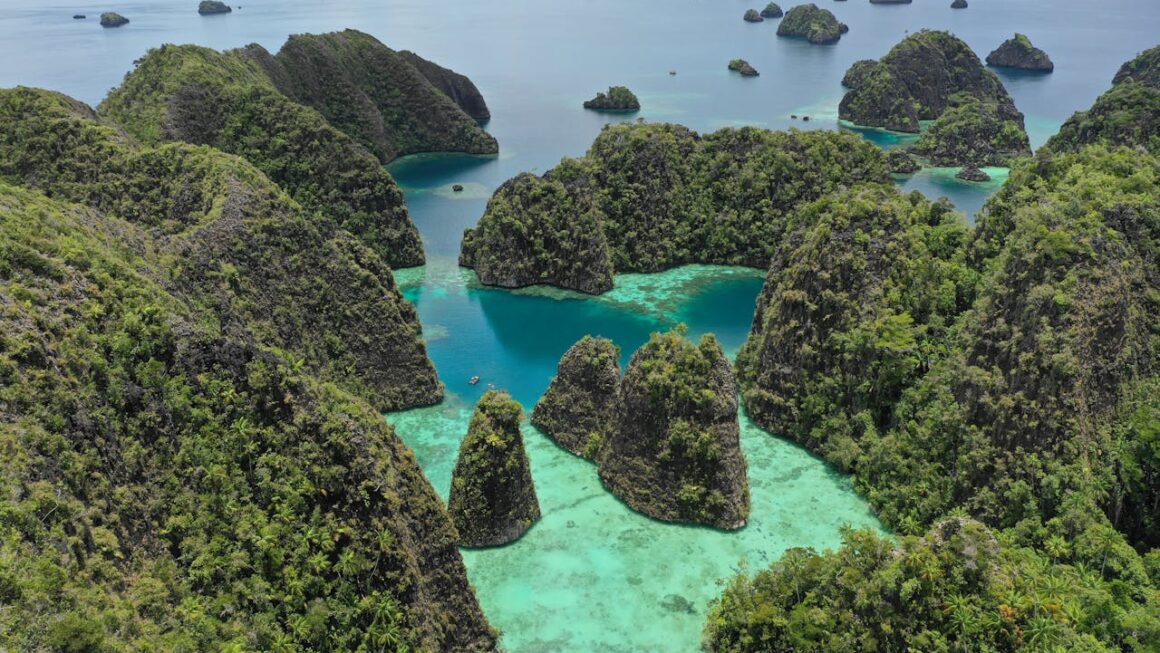
In Raja Ampat, the atmosphere feels wilder and more adventurous. Remote islands covered in lush jungle, towering limestone cliffs, and turquoise lagoons create a sense of exploration. Diving days are often long and adventurous, especially on liveaboards, with a mix of reef dives, drift dives, and big pelagic encounters. The setting makes you feel like you’re in one of the last untouched marine frontiers on earth.
Which One is Right for You?
If you’re fascinated by rare marine life, love macro photography, or prefer easier dives with guaranteed critter sightings, Lembeh Strait is the perfect choice. It’s also more affordable and easier to reach, making it ideal for divers with limited time or budget.
If, however, your dream is to witness vibrant coral reefs, manta rays, sharks, and massive schools of fish, then Raja Ampat is the ultimate destination. While it requires more travel and higher costs, the experience of diving in such a biodiverse and pristine environment is unmatched.
For those with the time and resources, the best option is to combine both destinations in a single trip. Start in Lembeh for critter hunting and macro photography, then head east to Raja Ampat for wide-angle reefscapes and pelagic encounters. Together, they offer the full spectrum of Indonesia’s diving magic.
Conclusion
When it comes to choosing between Lembeh Strait vs. Raja Ampat, there is no wrong answer, just different experiences. Lembeh delivers the weird, wonderful, and rare, while Raja Ampat overwhelms with biodiversity, scale, and beauty. Both are bucket-list destinations for divers, and both highlight why Indonesia is the epicenter of the world’s diving adventures.
Whichever you choose, you’ll be treated to unforgettable dives, welcoming local hospitality, and a deeper appreciation for the incredible marine life that makes Indonesia so special.