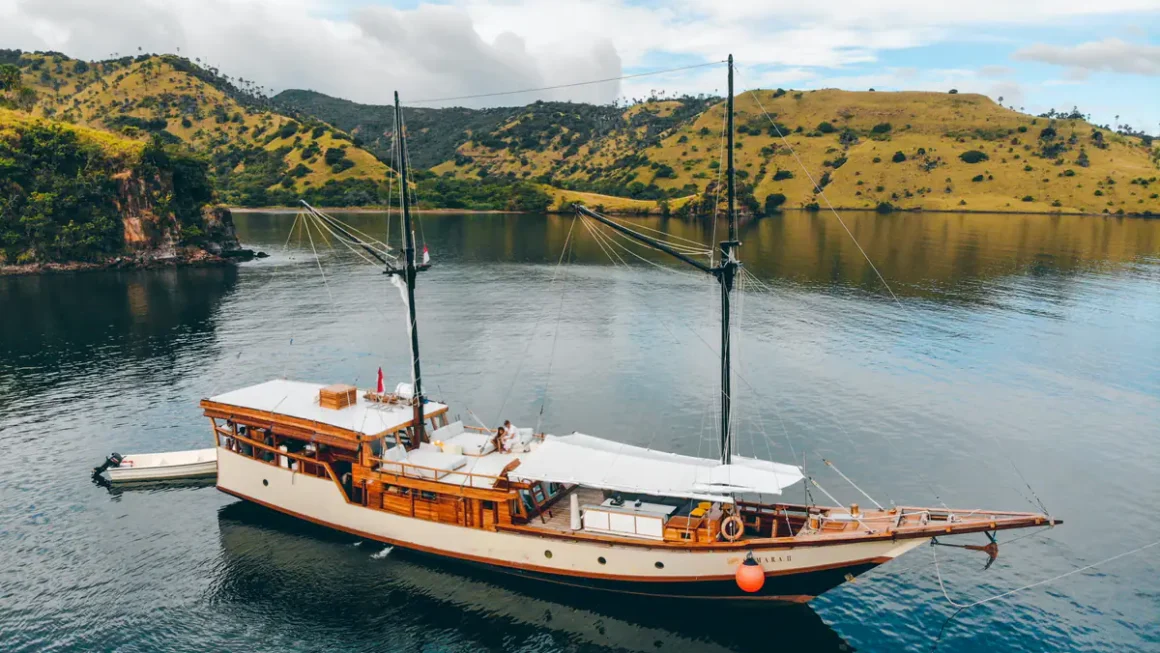
A sailing trip to Labuan Bajo, the gateway to Indonesia’s stunning Komodo National Park, promises turquoise waters and encounters with Komodo dragons. However, beneath its beauty lies a growing environmental challenge: waste management. According to a 2023 report, the hospitality sector, or “sektor horeka” (hotels, restaurants, and cafes), contributes 30% of waste in Labuan Bajo, exacerbating environmental strain in this super-priority tourism destination. Explores the impact of sektor horeka’s waste, the challenges it poses, and sustainable solutions to preserve Labuan Bajo’s pristine allure.
The Scale of the Waste Problem in Labuan Bajo
Labuan Bajo, located in West Manggarai, East Nusa Tenggara, generates approximately 13 tons of waste daily, with the horeca sector accounting for 30%, or around 3.9 tons. This significant contribution stems from the rapid growth of tourism, with hotels and restaurants catering to the influx of visitors drawn to the region’s natural wonders. Single-use plastics, food waste, and packaging from hospitality businesses pile up, threatening the delicate ecosystems of the Komodo National Park, a UNESCO World Heritage site. The 2023 data highlights the urgency of addressing this issue to maintain Labuan Bajo’s status as a world-class destination.
The waste problem is compounded by inadequate infrastructure. With only 40% of waste being inorganic and potentially recyclable, the remaining organic and non-recyclable waste often ends up in landfills or, worse, pollutes coastal areas. During a sailing trip to Labuan Bajo, visitors may notice plastic debris along shorelines, a stark reminder of the environmental toll of unchecked waste from the hotel and restaurant industry.
Challenges in Managing Sektor Horeka Waste
The hospitality sector faces unique challenges in waste management. High tourist volumes, especially during peak seasons from October to April, increase demand for single-use items like plastic bottles and straws in restaurants and hotels. Many establishments lack access to recycling facilities or trained staff to implement waste segregation, leading to mixed waste that’s harder to process. Additionally, the remote location of Labuan Bajo complicates logistics, as waste must often be transported to processing facilities in Bali or Java, increasing costs and carbon footprints.
Another challenge is the lack of awareness among some businesses. Smaller guesthouses and cafes may prioritize cost-cutting over sustainable practices, opting for cheaper, non-recyclable materials. Cultural habits, such as limited adoption of waste sorting at the source, further hinder progress. These issues strain the local government’s efforts to meet Indonesia’s goal of reducing ocean plastic waste by 70% by 2025.
Sustainable Solutions for Sektor Horeka
To address Sektor Horeka’s waste contribution, collaborative efforts are underway. Since 2017, initiatives like Danone-AQUA’s partnership with the Komodo Multipurpose Cooperative have collected 10 tons of plastic bottles annually for recycling in Bali and Java. This model demonstrates the potential for private-sector involvement in scaling up recycling infrastructure. Hotels and restaurants can adopt similar partnerships, ensuring plastic waste is diverted from landfills.
Adopting eco-friendly practices is another key solution. Businesses can switch to biodegradable packaging, reusable cutlery, and bulk dispensers for amenities like shampoo to reduce single-use plastics. For instance, eco-lodges in Labuan Bajo, such as those promoted by Waturanda Trip, use local materials and water-saving practices, setting a precedent for sustainable hospitality. Training staff on waste segregation and composting can also reduce organic waste, which constitutes a significant portion of Sektor Horeka’s output.
Community-driven initiatives are vital. Programs like the “My Trash, My Responsibility” campaign at Gorontalo elementary school show how education can foster a culture of waste management. Sektor horeka businesses can sponsor beach clean-ups or collaborate with local NGOs to raise awareness. During a sailing trip to Labuan Bajo, tourists can support operators like those endorsed by the UNDP, which prioritize waste reduction and educate visitors on sustainable practices.
The Role of Tourists in Reducing Waste
Visitors play a crucial role in mitigating sector horeka’s waste impact. Choosing accommodations and dining options with visible sustainability commitments, such as recycling programs or plastic-free policies, encourages businesses to prioritize eco-friendly practices. Travelers on a sailing trip to Labuan Bajo can opt for tour operators that minimize waste, like those using reusable water bottles or supporting conservation efforts. Simple actions, such as refusing single-use plastics and participating in clean-up activities, amplify the impact.
Looking Ahead: A Cleaner Labuan Bajo
The 30% waste contribution from the sector of horeca underscores the need for urgent action to preserve Labuan Bajo’s natural beauty. By investing in recycling infrastructure, adopting sustainable practices, and engaging tourists, the hospitality sector can lead the charge toward a cleaner future. Collaborative efforts between businesses, communities, and visitors will ensure that Labuan Bajo remains a pristine paradise for generations to come.